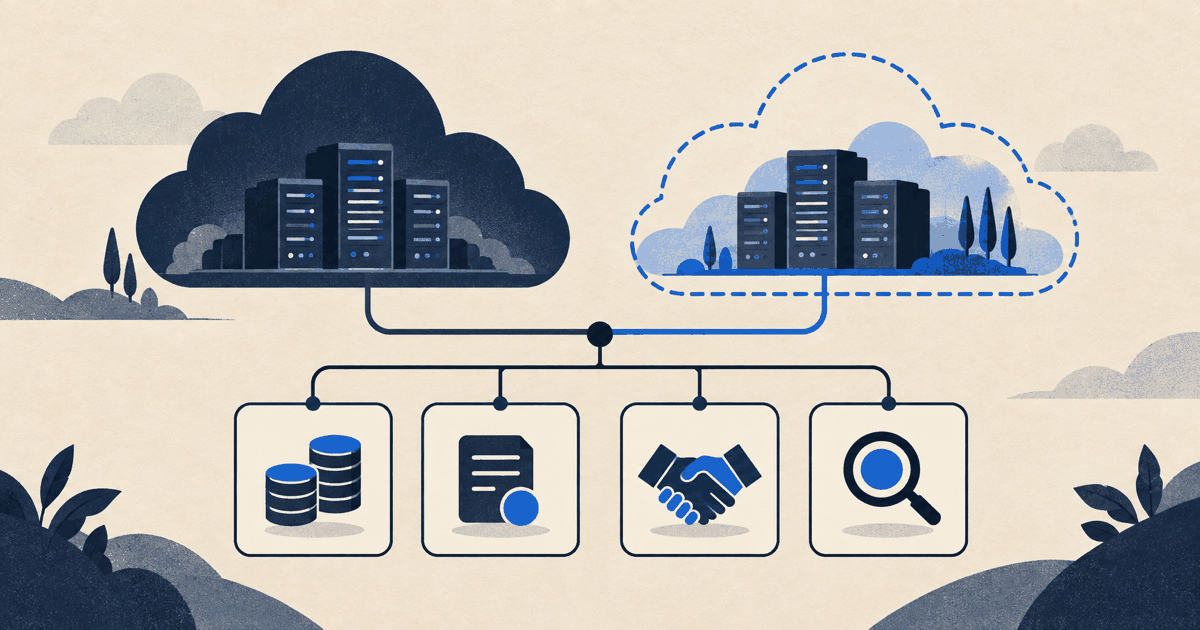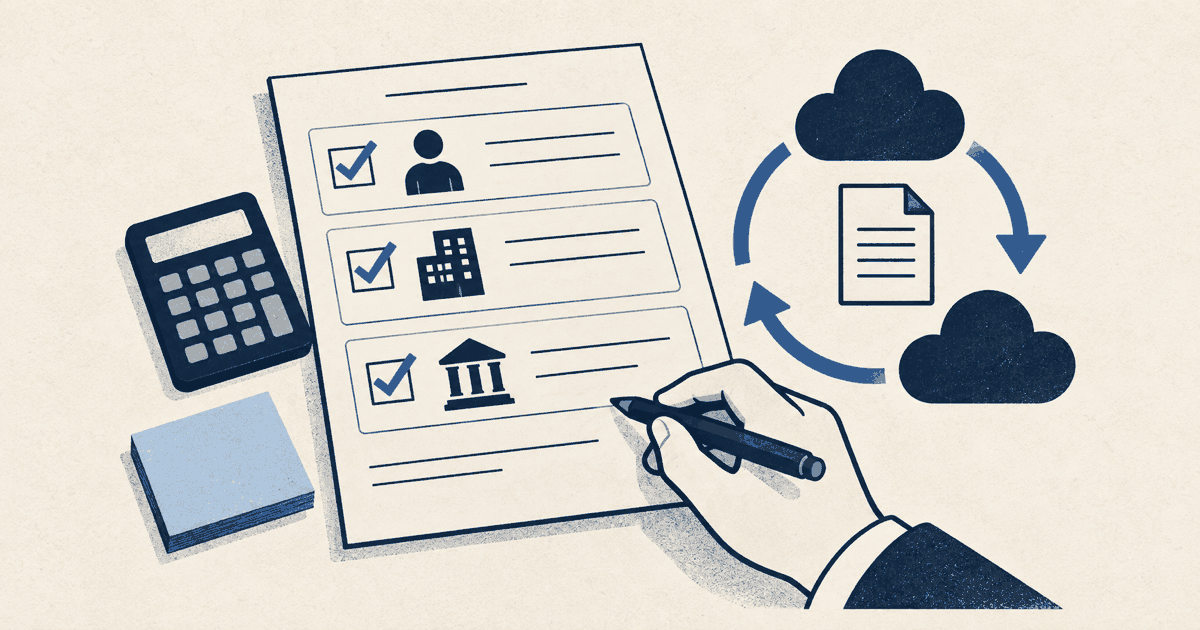
Do not post every AWS or Azure invoice under one “cloud reverse charge” rule. The supplier entity on the actual invoice, customer entity, place of supply and tax line matter. AWS Europe can invoice through local branches; Microsoft billing arrangements also vary by agreement and billing profile.
Read the document you received
| Invoice field | Question for finance or the tax adviser |
|---|---|
| Supplier | Which legal entity issued this document? |
| Customer | Are legal name, address and VAT number correct? |
| Tax | Is VAT charged, or is reverse charge stated? |
| Service and period | Does it match the agreement and usage? |
| Marketplace | Is a separate seller involved? |
The European Commission explains when a customer can be liable for VAT on cross-border B2B services. That does not make every cloud invoice a reverse-charge invoice. A valid VAT number alone does not settle the question. Domestic invoices, cross-border services and marketplace purchases may follow different paths. UK entities need a separate check against HMRC's place-of-supply guidance.
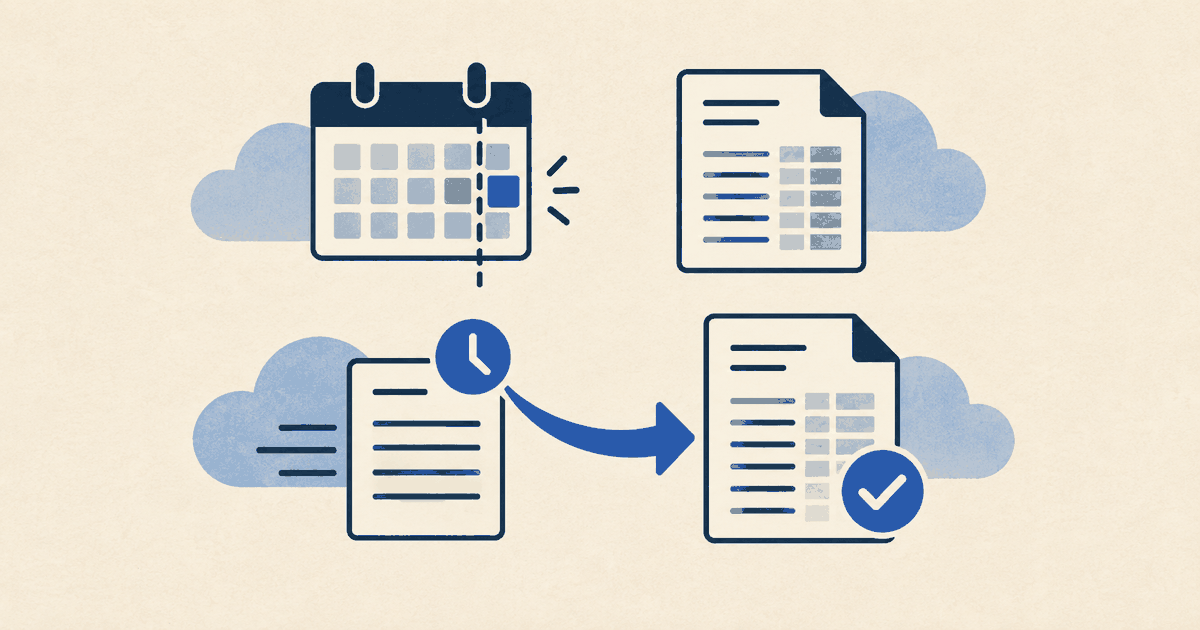
Retain the invoice with the agreement and billing-entity details. Recheck the tax treatment when the invoicing entity changes, even if the workload does not. Ask an adviser how the particular document affects input VAT, reporting and any correction request. Cost exports can support a usage reconciliation; they are not a substitute for the invoice.
This is a review checklist, not tax or accounting advice.
Read next
Monthly cloud cost review, finance solution and cost report in the glossary.
Sources and method
Checked on 25 September 2026: EU VAT liability, AWS Europe terms, Microsoft billing FAQ, HMRC service place of supply. The tables and review steps are Costfluent recommendations.