“Cloud cost per customer” is only clear until one customer uses much more storage or compute than the rest. Start with the decision the metric is meant to support: pricing, architecture or segment economics. Then choose the denominator.
Write the metric definition down
| Component | Decision to make |
|---|---|
| Cost basis | Billed or effective usage? Are credits excluded? |
| Scope | Customer-serving production only, or development as well? |
| Denominator | Active paying customers, tenants or a usage unit? |
| Period | Closed calendar month with a recorded data cut? |
| Residual | Where do shared and unassigned costs appear? |
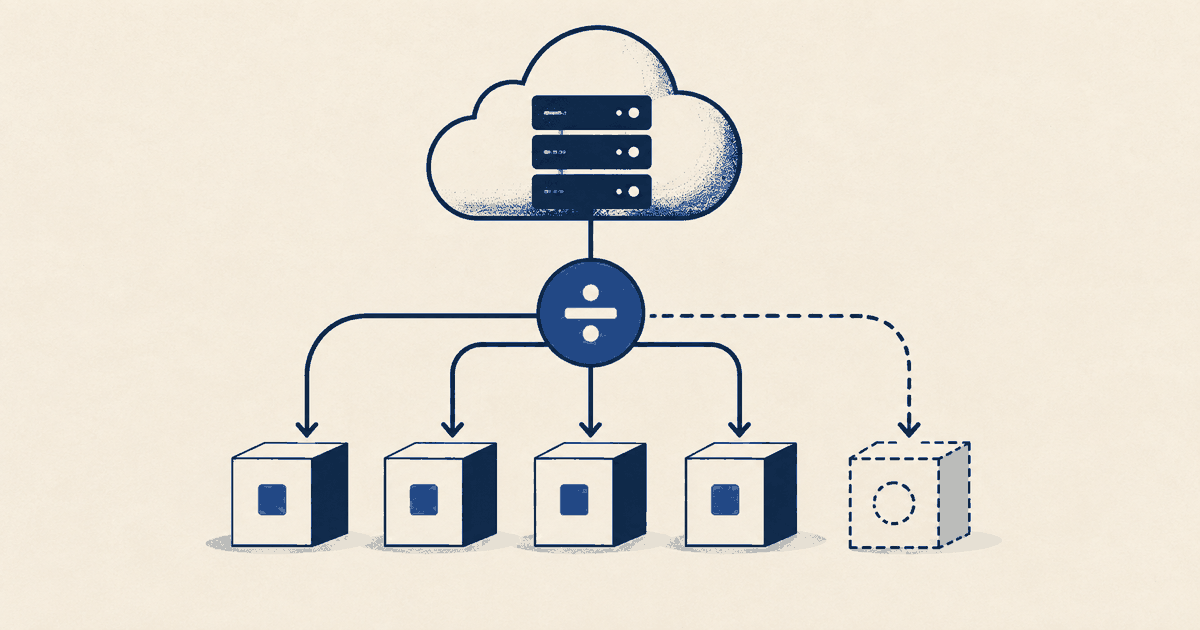
A second view often helps: cost per unit actually served, such as a processed job or stored volume. Use it only if the product measures that unit reliably. Define “active customer” as carefully; a contract and actual use are different things.
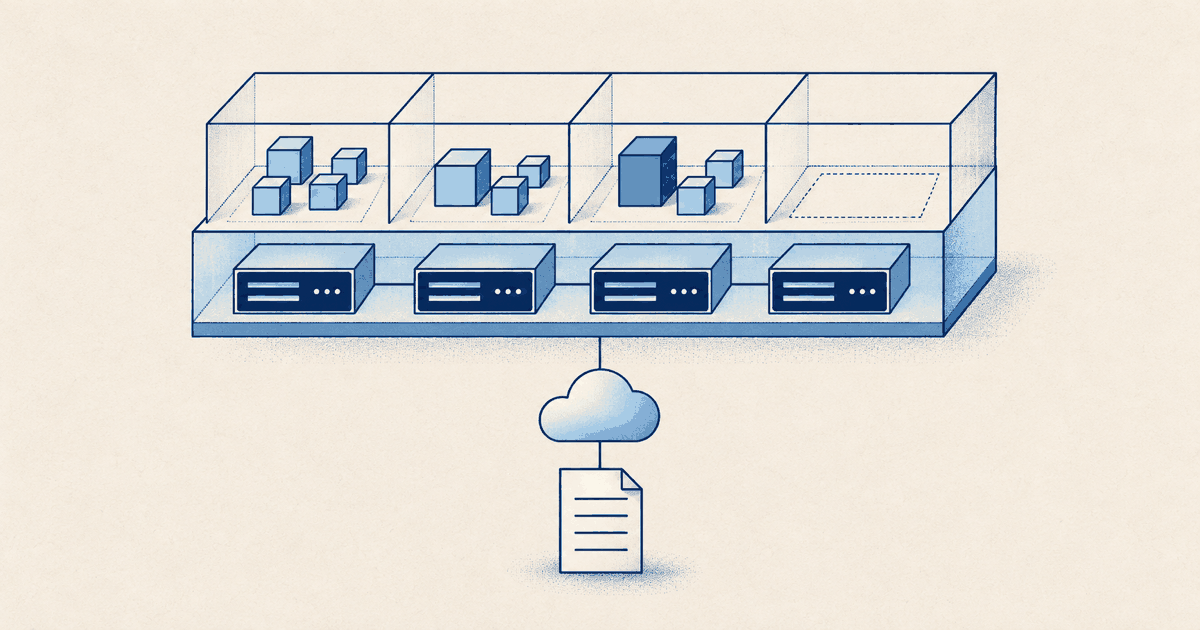
Attribute dedicated resources first. Apply one documented rule to shared platform cost, or show it centrally. Do not spread it with incomplete tags just to make every column add up. Keep the directly assigned, rule-assigned and unassigned portions visible.
When the ratio changes, inspect numerator and denominator separately. New capacity, greater use by one segment or fewer active customers can all move the same metric. Only then can product, finance and engineering choose between a pricing response, a product change or technical work.
Read next
Monthly cloud cost review, cost allocation and unit economics in the glossary.
Sources and method
Checked on 25 September 2026: FinOps unit economics, FinOps allocation. The tables and review steps are Costfluent recommendations.